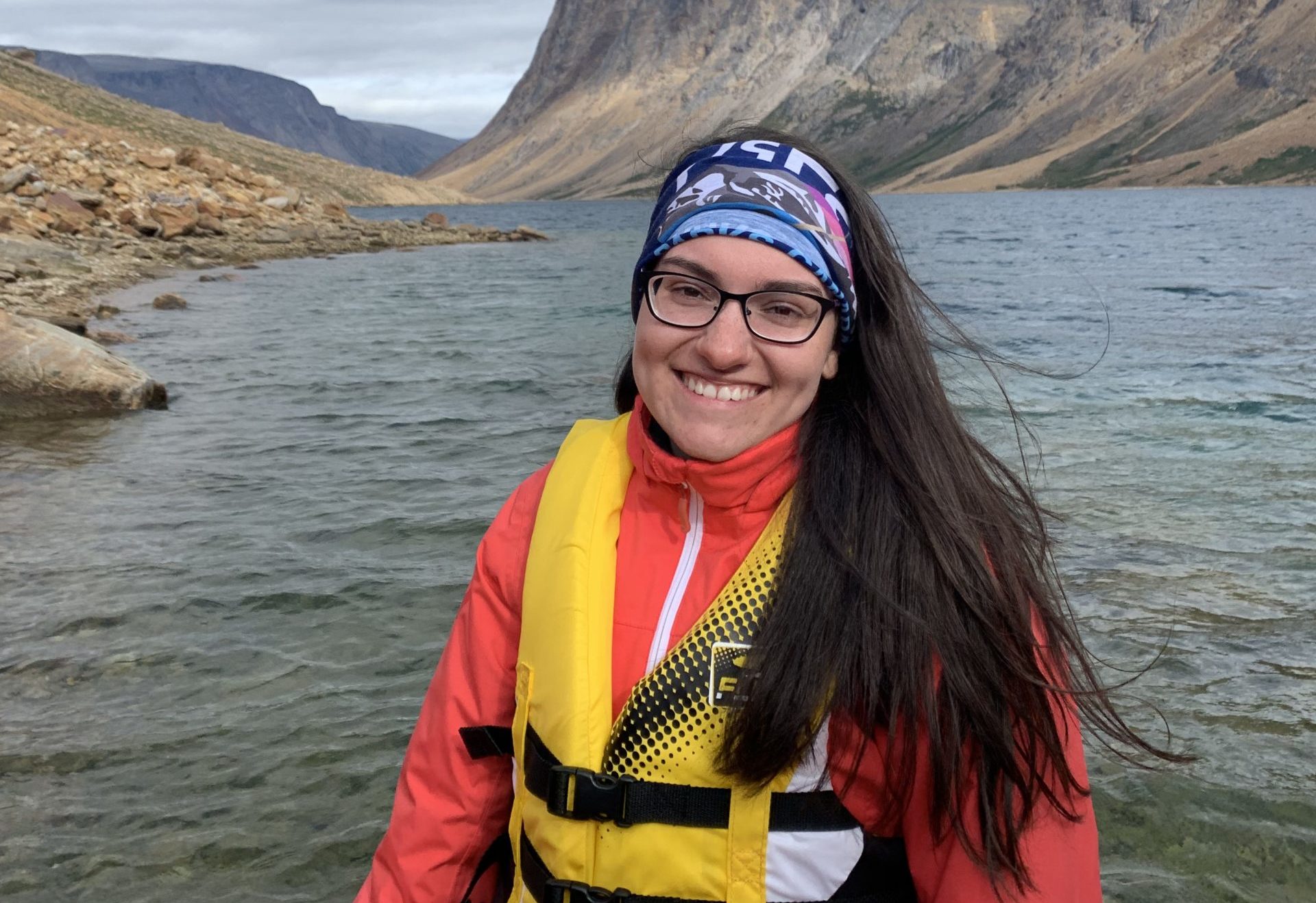
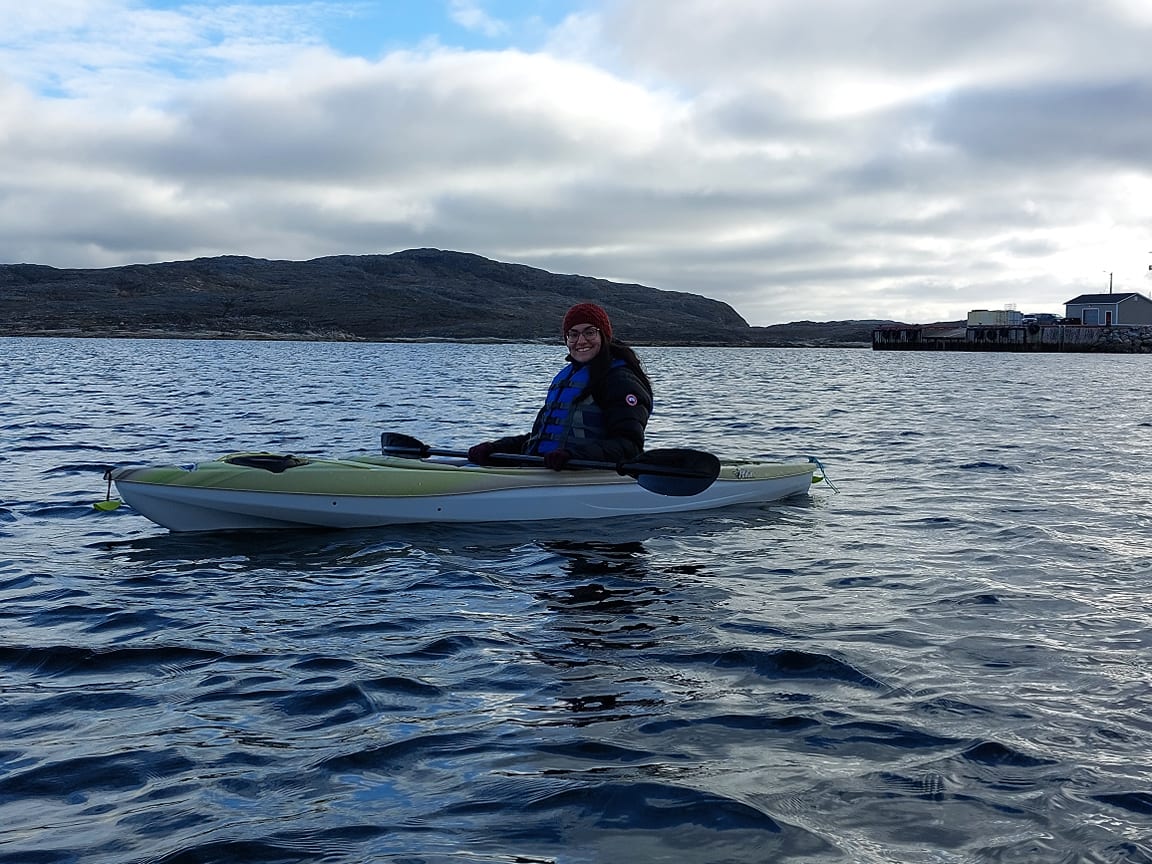
Veronica Flowers, Arctic 2017 alum from Hopedale, Nunatsiavut, shares her reflections on gaps she sees in her community when it comes to policy, what meaningful engagement really looks like and how to engage young people in policy spaces. Read her blog.
Can you tell us a bit about yourself?
My name is Veronica Flowers and I am a 22 year-old Inuk from Hopedale, Nunatsiavut. I am an alum of the SOI Arctic 2017 expedition. I recently completed my BSc in Environmental Science and am now working on my MA in Environmental Policy at MUN Grenfell Campus in Corner Brook, NL. Specifically, I am interested in learning how to incorporate Indigenous knowledge into policy-making in the context of wildlife management, which is what my research will involve for my thesis. In my free time, I enjoy doing outdoor activities such as hiking, swimming, skiing, and snowmobiling, as well as hunting, fishing and other traditional activities when I am home. Aside from my student life, I also sew and create crafts to sell as a small side job as a way to stay in touch with the Nunatsiavut culture. I make items such as slippers, mitts, kamek, and small-scale items such as keychains and earrings.
What does Arctic policy mean to you and what does meaningful engagement in policy look like?
To me, Arctic policy is a way to build a better future for the North. It allows for leaders of the north to collaborate on projects and create effective policies for the north on important issues such as climate change and sustainable development goals. Meaningful engagement in Arctic policy involves collaborating with northern communities and organizations to work towards building a stronger future for generations. It incorporates Indiegnous engagement and traditional knowledge into decision-making processes and policy implementation.
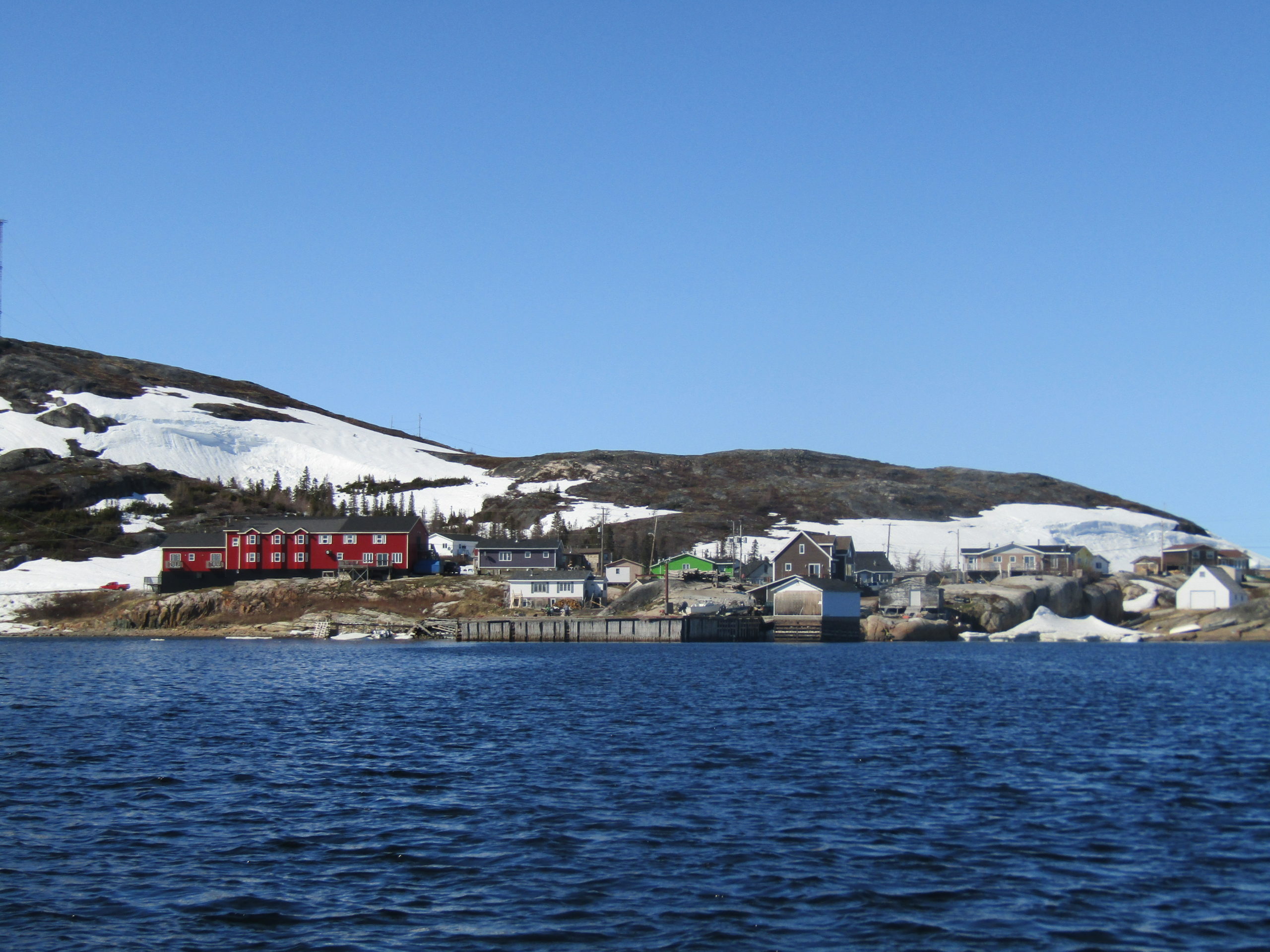
Please explain what community you are a part of and what you believe to be the biggest problem this community faces with regards to policies and institutions.
I come from Hopedale, Nunatsiavut, and I think the biggest problem my community faces is the lack of Inuit-based knowledge in the school system. Nunatsiavut is one of the federally recognized Inuit regions in Canada, but I feel that the school system is lacking in integrating Inuit knowledge in the school curriculum. The school system is run by the NL government and therefore follows the provincial curriculum. However, I don’t think it’s beneficial or applicable for students in Nunatsiavut to be learning the same things as students in other parts of the province, like in St. John’s, for example. Students do have Inuktitut and life-skills classes in my hometown but I feel that overall, Inuit knowledge-based learning is lacking and should be integrated in all courses.
Meaningful engagement in Arctic policy involves collaborating with northern communities and organizations to work towards building a stronger future for generations.
Why do you think it is important to engage youth in Arctic policy at both local, and international levels?
I think it is important to engage youth, especially northern youth, in Arctic policy at local and international levels so that we can understand and be better role models for future generations. It’s important for us to learn about local policy so we can work for and give back to our communities in the future. At international levels, it’s important for us to learn how policy works in other parts of the Arctic and build further leadership skills through networking and collaborating. As a young leader and an Environmental Policy student, I believe learning about and engaging in Arctic policy is a good opportunity for me, and others, to gain a stronger foundation about Arctic Policy and how we can make a difference in our communities, regions, and countries.
What are some tangible ways we can encourage youth to engage in policy?
We can encourage youth to engage in policy by providing knowledge mobilization activities such as workshops and presentations into classrooms. This would be a way for youth to understand what the policy process looks like and how they can get involved with policy and decision-making in their regions. Also, we can encourage youth to take part in community events outside of school, such as government assembly meetings and conferences, to gain a better understanding of how legislation works in their communities. As well, we can encourage youth to discuss policy related issues among each other to share ideas and learn from one another, inside and outside of school. Lastly, youth should feel welcomed to ask questions to teachers, parents, and other leaders when they have questions, as well as learn how to do their own research on topics they are interested in.
At SOI we recognize that we’re all students and that we’re never really done learning. What is something you want to learn more about in International Arctic Policy?
I want to learn more about the decision-making processes in Arctic policy and how young people can get involved. I am interested in learning about what aspects of Arctic policy engages Indigenous peoples and how Indigenous knowledge is implemented in legislation. Also, as a young Inuk student, I want to attend more conferences and symposiums across the Arctic to learn about various Arctic policies and how it compares to that of Canada’s. I want to learn more about different Arctic policies to take what I learn and bring back to my community, region, and country. I want to be a role model for other like-minded youth from Nunatsiavut who are interested in learning about Arctic policy.
This article is made possible with the support from Global Affairs Canada.
DISCOVER MORE
How to meaningfully participate in conservation as a young person
Being a young person trying to break into the conservation world can be intimidating. While there are many opportunities out there, a lot of youth...
How to meaningfully participate in conservation as a young person
Being a young person trying to break into the conservation world can be intimidating. While there are many opportunities out there, a lot of youth...

When Tiktok Leads to Food Donations
Kyra Flaherty, SOI Arctic 2016 Alum, and tourism development coordinator with the Nunavut government experienced a flash of internet fame when her...